Padlocks, gate locks and keyed hardware that sit in wet air all year.
Codes changed when someone leaves, without changing the lock.
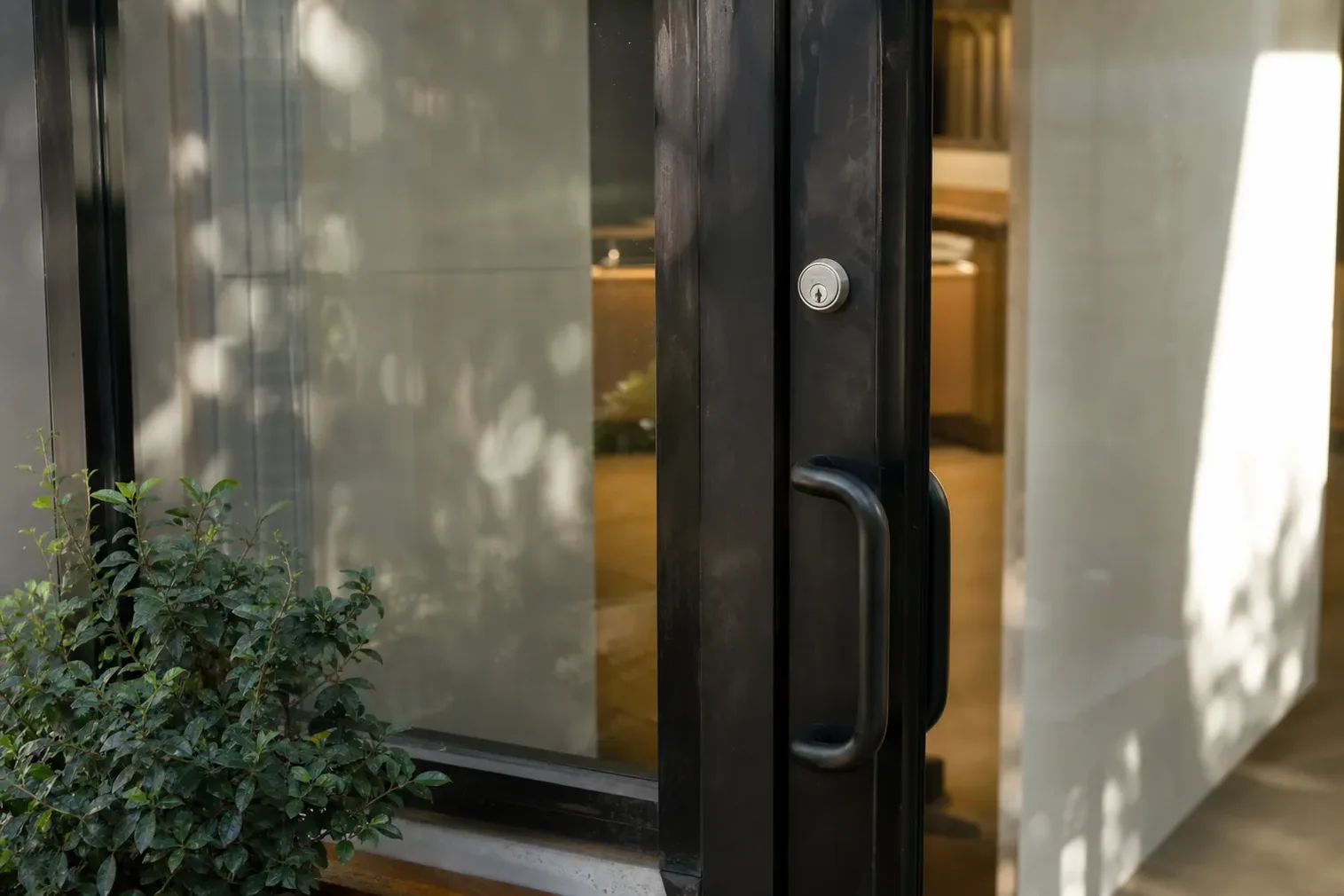
Cylinders and latches on aluminum doors repaired or replaced.
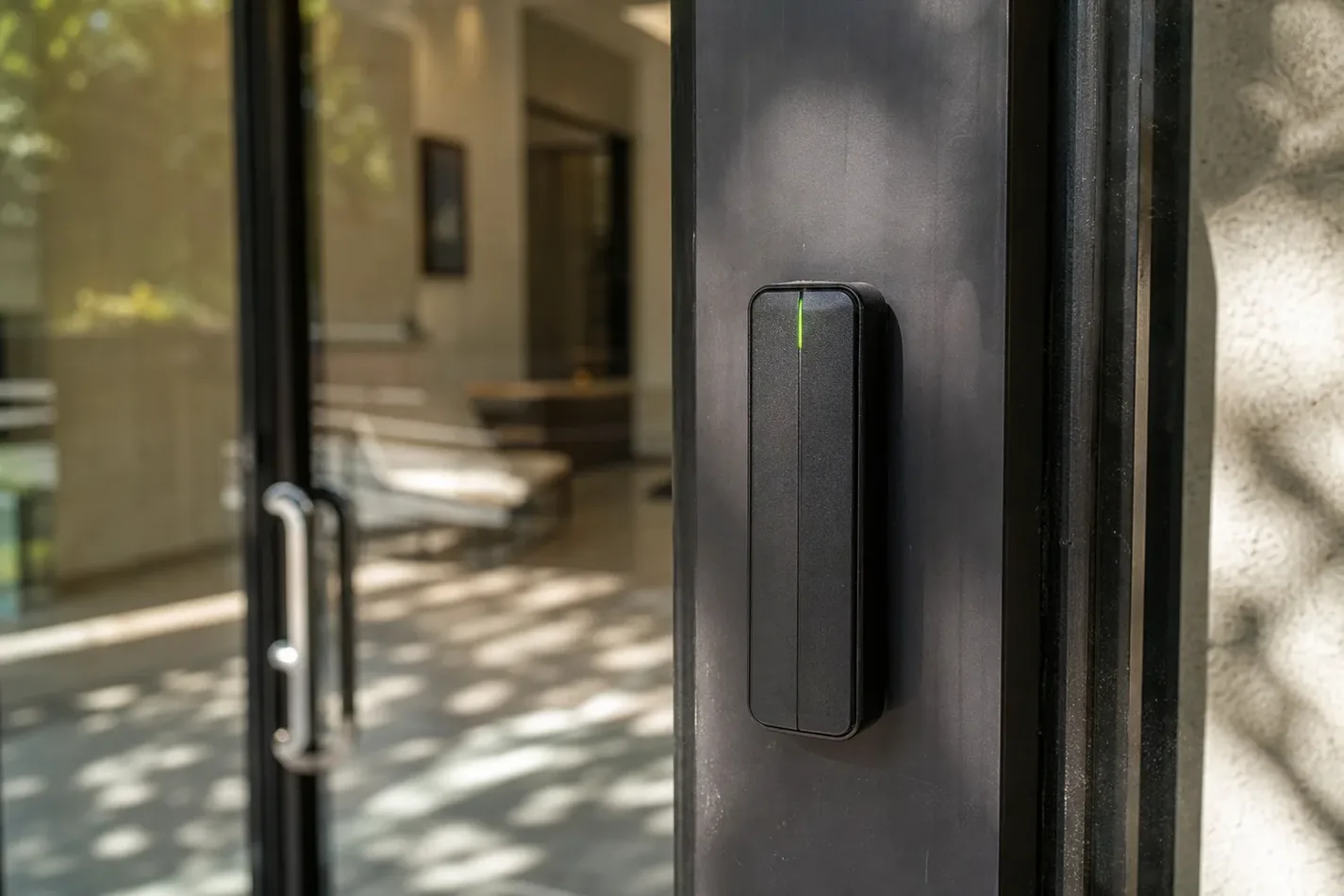
Installed and serviced so the door opens from inside with one push.
A master key system gives each person only the doors they need.
Business calls follow a short, fixed order. Safes at the marina office or the shop are part of the work; see safe locksmith service.
Won't lock, won't open, a key missing or a staff change. Each needs different parts on the truck.
The owner or a manager confirms the work; for a lockout, proof that you run the business.
What needs doing and why, before any work starts.
Every door locked and unlocked with each key before we leave.
After hours is fine. A door that won't lock at closing time is worth the call.
The closer and the latch usually go before the lock does. A door that slams or drags stops latching, and a door that doesn't latch isn't locked, whatever the cylinder says. Near the water, damp air adds rust to hinges and gate hardware.
Most of that is repair rather than replacement, and you hear which before anything is ordered.
Every door checked with every key, a written note of which keys open which doors, and a clear answer on anything that still needs a part. For businesses near the lake, where damp air works on hinges, closers and padlocks all year, that note often lists the hardware worth swapping for stainless before it fails.
If you're setting up a master key system, you also get the plan itself: who holds the master, which keys open which doors, and how new keys get added later without redoing the whole building.
Have a manager on site, or reachable by phone, to sign off. For a lockout at a Rowlett storefront or office, bring something that shows the business is yours, such as the lease or a business license with the address.
A manager leaves without returning a key, a lease changes hands, a master key goes missing: the answer is the same. The cylinders those keys fit are rekeyed; the missing keys go dead, and the replacements go to the people you name.
It's usually handled in one visit, before the next shift, and every door is tried with the new keys.
Usually, for a typical storefront or office. Larger sites are done in sections so no door is left unlocked, and keys are handed over as each section is finished.
Yes, from a standalone keypad on a back door to fob systems for staff entrances. The door and frame are checked first, since some access hardware needs a different latch or a power supply.
Call. It's usually the latch, the strike or the closer. It's either fixed on the spot or secured so the building can be locked for the night, with the permanent repair scheduled.
Yes: padlocks, gate locks and the hardware that holds them. Damp air rusts them faster than anything else in town, so stainless or marine-grade hardware is worth asking about.
The owner or a manager. For a lockout, we'll need proof that you run the business, like a business license, a lease or an ID that matches the account.
Yes. Owners get a key for everything, managers for their areas, staff for the doors they use. The system is planned with you and written down, so new keys fit the plan later.
Panic bars and exit devices are installed and serviced so the door opens from inside with one push, and kept in working order for inspections.
Yes. They can be keyed so each person carries only the keys they need, with a master for the owner, and every lock is tried before we leave.
Yes, and you'll have it on paper before a single lock is touched.
Say where you are and we dispatch a tech.